Project region
Eastern Cape, South Africa
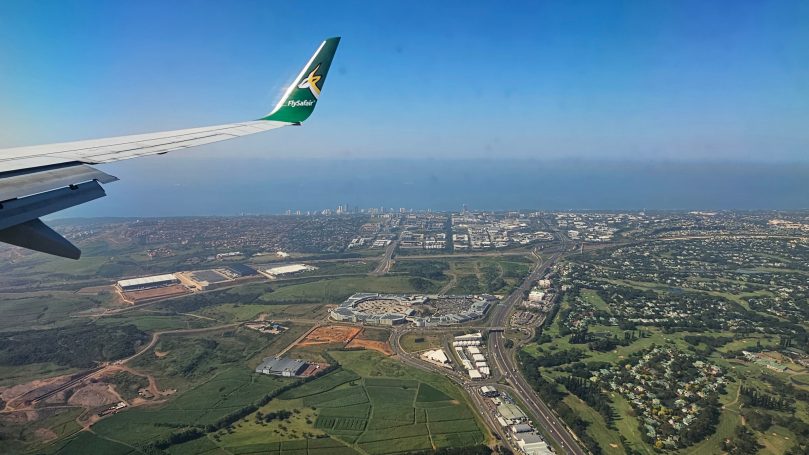

The COMPacity project is being implemented in South Africa’s Eastern Cape province, with a demonstration project in KuGompo City (formerly East London), which is part of the Buffalo City Metropolitan Municipality (BCMM). As the second-largest of South Africa’s nine provinces, the Eastern Cape is characterized by a diverse economic structure. KuGompo City serves as a major service and commercial hub for the region. The local economy is shaped in particular by the automotive industry: Mercedes-Benz South Africa manufactures vehicles here for the South African market and for export. This sector is complemented by a network of automotive suppliers as well as the East London Industrial Development Zone (ELIDZ), a modern industrial and commercial park that promotes industrial development and international economic cooperation.
International Cooperation
Cooperation between the Eastern Cape and Germany is characterized by a long-standing partnership that has been strengthened since 1995, particularly through ties with the German state of Lower Saxony. The focus is on joint projects in the areas of climate protection, renewable energy, energy efficiency, and sustainable development. Through the exchange of knowledge, technologies, and experiences, innovative solutions are promoted to drive ecological transformation and create long-term development prospects for the region.
Effects of Climate Change
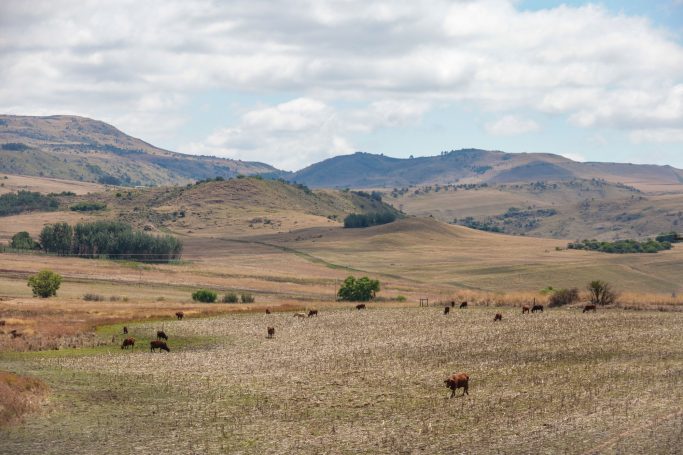
The region has a Mediterranean climate, with hot, dry summers and cool, humid winters. The northern part of the province is at a higher elevation and is characterized by semiarid conditions, while the southern part is at a lower elevation and has a large number of rivers as well as higher precipitation levels. Climate change is increasingly leading to extreme weather events throughout the region. On the one hand, the likelihood of heavy rainfall and flooding is rising; on the other hand, long periods of drought with ever-shorter recurrence intervals are occurring more regularly. The province’s water supply, which relies primarily on reservoirs, is vulnerable to droughts. In various areas of the region, the water supply has had to be shut off or reduced repeatedly in recent years. In addition, water quality is steadily deteriorating, due in part to a backlog of maintenance at water treatment plants and in the distribution networks. The unreliable energy supply and extreme weather conditions are contributing to a further exacerbation of these challenges.
Circular Waste Management System
Although South Africa is implementing measures aimed at achieving climate goals and promoting a circular economy, and the South African National Waste Management Strategy (2020) calls for greater use of composting and other forms of organic waste recovery, structural barriers to the implementation of a circular waste management system remain. A large proportion of organic materials is not recycled but is predominantly landfilled or inadequately treated. This leads to avoidable greenhouse gas emissions, increases pressure on existing landfill capacities, and prevents the use of valuable organic resources for soil improvement in agriculture and horticulture. Particularly against the backdrop of rising global fertilizer prices amid the Hormuz conflict and fears of a global food crisis, resilient regional material cycles and the strengthening of agriculture through high-quality soil amendments are of particular importance.
As many other municipalities in the Eastern Cape region, the Buffalo City Metropolitan Municipality in KuGompo City is struggling with overcrowded landfills and very limited capacity for processing organic waste. This leads to rising waste disposal costs, problems with the illegal dumping of green waste, and failure to meet environmental and climate goals. At the same time, proper waste management holds significant market potential. An assessment of the economic potential of a bio-based economy has sparked a shift in thinking and raised ambitions for the transition from a linear waste stream to a profitable cycle of raw materials and recyclables. National policy support (Research, Development, and Innovation Roadmap for Waste), upcoming bans on the landfilling of organic waste (in the Western Cape in 2027), and a favorable infrastructural framework facilitate the implementation of a demonstration project—which is currently still lacking—as well as the establishment of systematic training and integrated educational programs at BCMM in the areas of circular economy approaches and composting processes.
Agriculture and Soil Fertility
Agriculture in the Buffalo City Metropolitan Municipality (BCMM) in the Eastern Cape is a vital component of the local food supply and economic livelihoods, particularly for smallholder and community-based farms. However, agricultural use is hampered by soil degradation, erosion, and fluctuating water availability. Although the region’s soils consist predominantly of moderate to deep loamy soils, increasing climate variability and the risk of prolonged dry spells as well as intense precipitation events pose growing challenges. Studies in the Eastern Cape show that low levels of organic matter, poor management practices, and the loss of vegetation cover are jeopardizing soil fertility and agricultural productivity.
Composting offers significant potential to address these challenges while simultaneously utilizing organic waste as a valuable resource. By processing green waste from households, green spaces, and farms, high-quality compost can be produced that supplies the soil with organic matter and nutrients. This can improve soil structure, water-holding capacity, and biological activity, while also reducing dependence on mineral fertilizers. Particularly in the context of climate change, improved soil quality can help increase the resilience of agricultural systems to droughts and heavy rainfall. A locally based composting infrastructure also opens up opportunities for a resource-efficient circular economy, more sustainable bio-waste management, and the strengthening of local value chains in the BCMM.